Understanding Your Rights After a Rideshare Collision in Texas
Being involved in an Uber accident can instantly turn your life upside down. One moment you’re heading to your destination, and the next you’re dealing with injuries, medical bills, and the overwhelming question of who will pay for your damages. The unique business model of Transportation Network Companies (TNCs), such as Uber, creates a complex insurance situation that differs significantly from traditional auto accidents.
If you’re in Mesquite or the surrounding areas in Texas, understanding your compensation rights is crucial to ensuring you receive fair treatment after a rideshare collision. This guide will walk you through exactly what compensation you may be entitled to, the parties potentially responsible, and how to protect your rights after an Uber accident.
If you or a loved one was injured in Texas, call the Oberg Law Office today at 972-682-9700 for a free consultation with a Texas personal injury attorney. Gregg Oberg is board-certified in Personal Injury Trial Law by the Texas Board of Legal Specialization.

The Complex Insurance Landscape of Rideshare Accidents in Texas
Rideshare accidents present unique legal challenges because Transportation Network Companies like Uber have created business models that don’t fit neatly into traditional insurance frameworks. This innovative approach to transportation has outpaced insurance regulations in many ways, creating potential gaps in coverage that can affect your compensation rights. In Texas, determining liability after a rideshare accident often involves navigating multiple insurance policies that activate depending on the driver’s status at the time of the accident. Understanding these policies is essential because they directly impact the compensation you can claim. When an Uber driver causes an accident, their insurance may deny coverage since most personal policies exclude commercial activities.
Meanwhile, Uber’s insurance coverage varies based on whether the driver was offline, waiting for a ride request, en route to pick up a passenger, or actively transporting someone. This tiered approach creates scenarios where victims might face challenges securing proper compensation, especially if the accident occurs during the “gap period” when the driver is logged into the app but hasn’t accepted a ride yet. Additionally, rideshare accidents often result in delayed medical treatment for victims, increasing both health complications and economic costs, while sometimes leading to situations where drivers attempt to evade responsibility.
The Critical Timeline: Steps to Take After an Uber Accident in Texas
The moments following a rideshare accident are crucial for protecting your health and your legal rights to compensation. Knowing the steps to take if you’re injured in an Uber accident can significantly impact your ability to recover damages. Many accident victims don’t realize that Transportation Network Companies like Uber have specific reporting requirements that can affect your claim, and delays in taking certain steps can jeopardize your compensation rights. Here’s what you need to do:
-
Seek immediate medical attention – even for seemingly minor injuries. Rideshare accidents often cause delayed-onset injuries that can worsen without proper treatment, and medical documentation creates crucial evidence linking your injuries to the accident.
-
Report the accident through the Uber app within 24 hours. This critical step triggers Uber’s insurance claim process. Still, many victims overlook it, potentially forfeiting access to Uber’s coverage policies, which can provide up to $1 million in liability coverage when the driver is actively transporting a passenger.
-
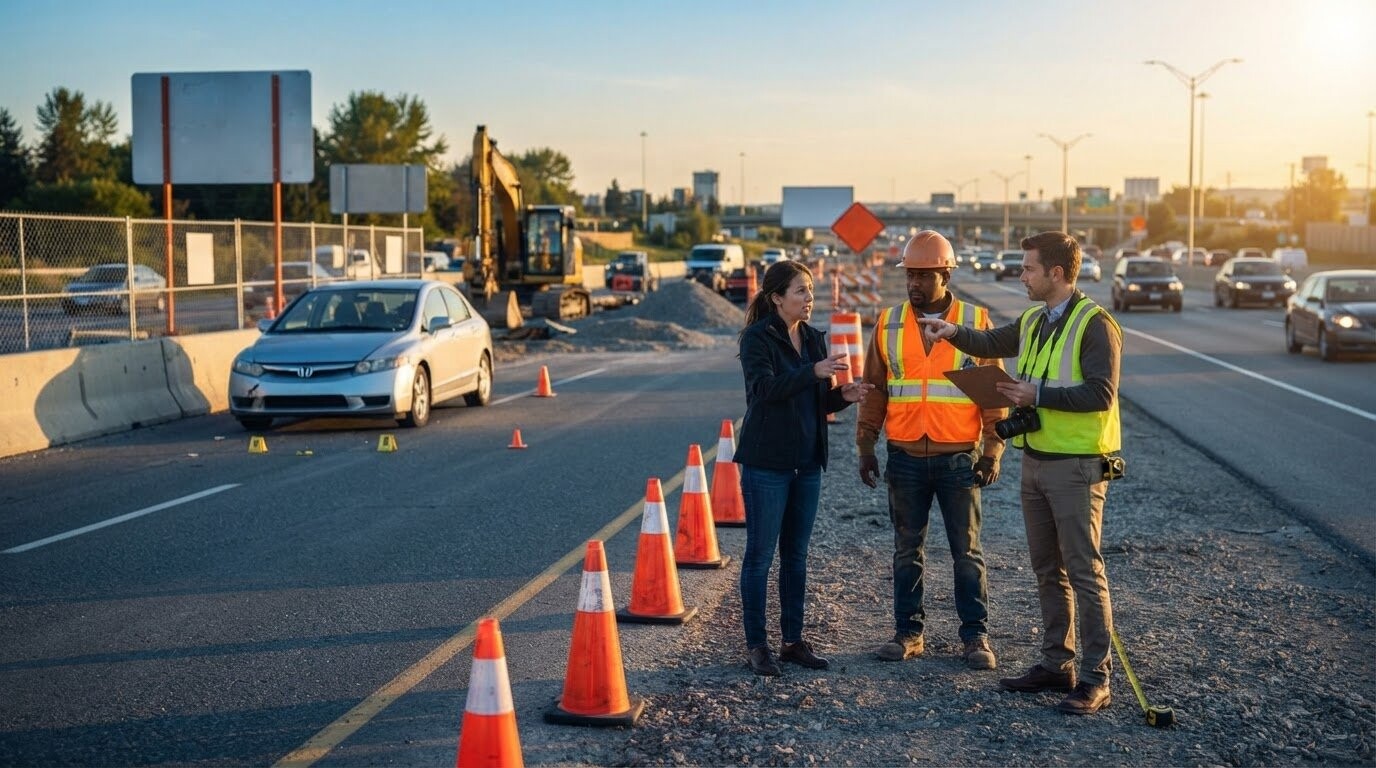
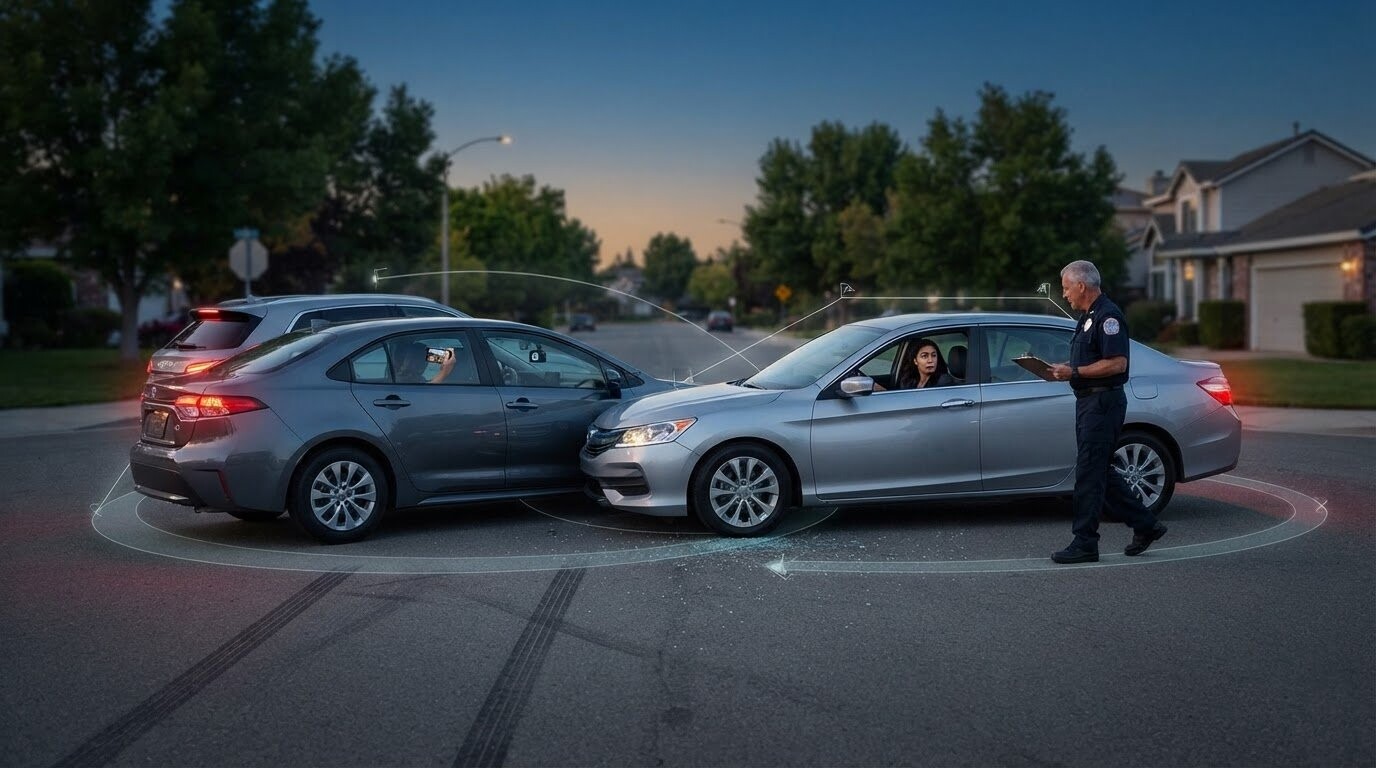
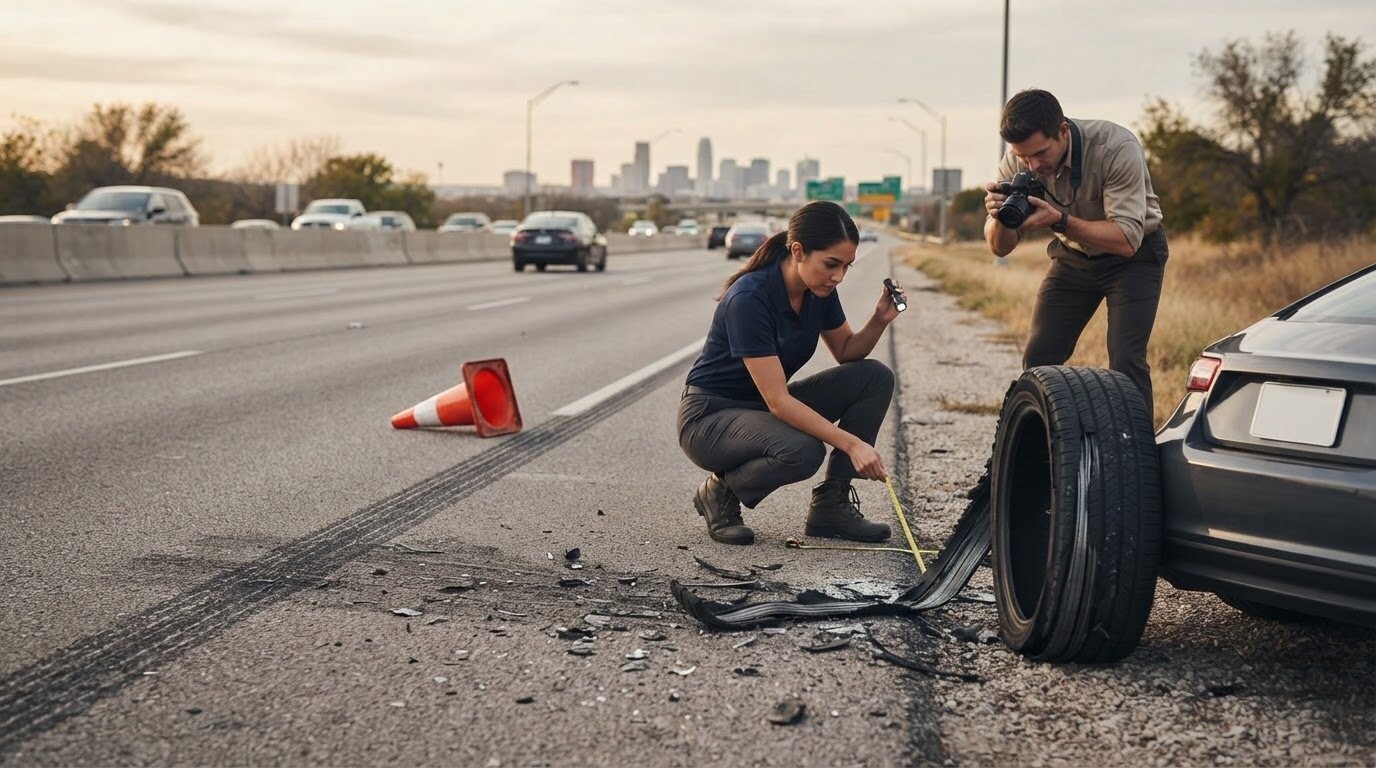
If possible, document everything at the scene—driver information, witness contacts, photos of vehicles, road conditions, and visible injuries. The unique nature of rideshare accidents means evidence can quickly disappear when the driver leaves the scene.
-
File a police report even if the Uber driver suggests handling it privately. Texas law requires reporting accidents with injuries, and this official document becomes essential when dealing with multiple insurance companies that may try to shift responsibility.
-
Avoid giving recorded statements to insurance companies before consulting a rideshare accident lawyer in Mesquite. Insurance adjusters for TNCs are specifically trained to minimize compensation for accident victims.
Navigating Compensation Options After Your Mesquite Rideshare Accident
After a rideshare accident in Texas, understanding your compensation options is crucial to ensuring your recovery isn’t compromised by financial strain. Depending on the specific circumstances of your Uber accident, you may be entitled to recover damages from multiple sources. Texas follows a modified comparative negligence system, meaning you can still receive compensation even if you were partially at fault (as long as you’re not more than 50% responsible). Your compensation claim may include economic damages like medical expenses (both current and future), lost wages, loss of earning capacity, and property damage.
You may also be entitled to non-economic damages covering pain and suffering, emotional distress, and loss of enjoyment of life. In cases involving severe negligence, punitive damages might be available. At Oberg Law Office, we’ve seen how rideshare companies and their insurers often attempt to minimize payouts by leveraging the complexities of their business model. Our experience with the evolving nature of rideshare accident laws in Texas allows us to identify all potential sources of compensation, including Uber’s tiered insurance coverage, the driver’s personal insurance, your own insurance policies, and potentially third parties who may share liability in your Uber accident.
Understanding Uber’s Insurance Coverage Tiers and How They Affect Your Compensation
Uber’s insurance coverage operates on a complex tiered system that directly impacts the compensation you can claim after an accident. The driver’s status within the app at the moment of collision determines which policy applies, creating significant variations in available coverage. This tiered approach directly results from how Transportation Network Companies have structured their business models to limit liability in ways that traditional transportation services cannot. Understanding these tiers is essential for maximizing your potential compensation.
The Four Phases of Uber’s Insurance Coverage
Uber’s insurance coverage is divided into four distinct phases, each offering different levels of protection. Understanding the company’s insurance coverage policies is essential if you’ve been injured while riding in an Uber. Only their auto insurance applies when the driver is offline (not using the app), which typically excludes commercial activities. During the waiting phase (app on, waiting for a request), Uber provides limited liability coverage of $50,000 per person/$100,000 per accident for bodily injury and $25,000 for property damage, but only if the driver’s insurance denies the claim.
Once a ride is accepted, coverage increases significantly to $1 million in third-party liability coverage, continuing through passenger drop-off. This structure creates potential coverage gaps that can severely impact accident victims. We’ve found that many insurance companies will try to place the driver in a lower coverage tier than what actually applies to minimize their financial responsibility. In our experience handling rideshare accident cases, we often discover evidence that proves the driver was in a higher coverage phase than what Uber initially claimed.
Worker Classification Issues That May Impact Your Rideshare Accident Claim
The classification of rideshare drivers as independent contractors rather than employees creates significant complications for accident victims seeking compensation. This classification issue stems from the innovative business model that Transportation Network Companies have developed, which has disrupted traditional employment categories. In Texas, this distinction affects which insurance policies apply and potentially limits certain legal remedies that would be available if drivers were classified as employees. Additionally, ongoing legal challenges to this classification system could significantly change the compensation landscape for those involved in rideshare accidents.
How Texas Worker Classification Laws Affect Your Compensation Rights
Texas has specific worker classification laws that can affect your compensation options after a rideshare accident. Despite Uber classifying drivers as independent contractors, certain Texas laws may interpret this relationship differently depending on the company’s level of control over drivers. This classification matters because it determines whether you can pursue claims beyond insurance coverage. If a driver were classified as an employee, Uber could potentially face direct liability under the legal doctrine of respondeat superior, which holds employers responsible for employee actions within the scope of employment.
Additionally, Texas worker classification laws may affect whether injured drivers themselves can access workers’ compensation benefits regardless of how Uber categorizes them. Recent legal challenges to rideshare worker classification in Texas could potentially expand compensation options for accident victims, making it essential to work with an attorney familiar with these evolving legal interpretations.
Important Considerations for Different Types of Rideshare Accident Victims
Your role in a rideshare accident—whether as a passenger, another driver, a pedestrian, or the Uber driver—significantly impacts your compensation options. Each category of victim faces different legal challenges and has access to different insurance coverages and legal remedies. The innovative yet complex business structure of Transportation Network Companies creates these varied circumstances, which require specifically tailored approaches to securing fair compensation. Understanding the distinct considerations for your particular situation is crucial for maximizing your recovery.
Compensation Options for Rideshare Passengers vs. Other Motorists
Rideshare passengers generally have the strongest position for securing compensation after an accident. As paying customers, passengers benefit from Uber’s $1 million liability policy regardless of who caused the accident—the Uber driver or another motorist. In contrast, other motorists involved in collisions with Uber vehicles face more complex scenarios. If the Uber driver caused the accident, the motorist’s compensation depends on which operational phase the driver was in, potentially limiting available coverage during the “waiting” phase.
If another driver caused the accident that involved an Uber, that driver’s personal insurance would be primarily responsible, with Uber’s uninsured/underinsured coverage potentially applying if the at-fault driver lacks adequate insurance. Pedestrians and cyclists hit by Uber drivers face similar phase-dependent coverage limitations. The risks associated with participating in rideshare services—both as passengers and as other road users—are still not fully understood, which affects how compensation is handled after accidents. For those unable to drive after an accident, regional mobility initiatives like the Greater Region Mobility Initiative (GRMI) may provide alternative transportation options during recovery.
Frequently Asked Questions
-
How does Uber’s insurance work if I was injured as a passenger in Mesquite?
As a passenger in an Uber vehicle in Mesquite, you’re typically covered under Uber’s $1 million liability insurance policy regardless of whether the Uber driver or another motorist caused the accident. This coverage applies from the moment you’re picked up until you’re dropped off. However, Transportation Network Companies often make this process more complicated than necessary. You’ll need to report the accident through the Uber app within 24 hours and may need to deal with multiple insurance companies if another driver was involved. A rideshare accident lawyer in Mesquite can help ensure you’re not caught in the middle of insurance companies trying to shift responsibility to each other.
-
What compensation can I claim if a Lyft or Uber driver hit my car in Mesquite, Texas?
If a rideshare driver hit you in Mesquite, your compensation options depend on the driver’s status at the time of the accident. If they were actively transporting a passenger or en route to a pickup, you may claim against Uber’s $1 million liability policy. If they were waiting for a ride request, coverage drops significantly to $50,000 per person/$100,000 per accident. You may be entitled to compensation for medical expenses, lost wages, property damage, pain and suffering, and other damages. Texas rideshare accident laws create a complex situation where multiple insurance policies may come into play, and a Mesquite rideshare injury attorney can help identify all potential sources of compensation.
-
Can I file a Mesquite rideshare accident lawsuit against Uber directly instead of the driver?
Filing a lawsuit directly against Uber rather than the driver presents significant challenges due to how Transportation Network Companies structure their business relationships. Because Uber classifies drivers as independent contractors rather than employees, direct company liability is limited in Texas. However, there are circumstances where you might have grounds for a Mesquite rideshare accident lawsuit against Uber itself, such as negligent hiring practices, inadequate driver screening, or app design issues that contributed to the accident. Texas worker classification laws are evolving in this area, and recent legal precedents may open new avenues for holding rideshare companies directly accountable. A thorough case evaluation by an attorney familiar with rideshare accident laws is essential to determine your best legal strategy.
-
What is the timeline for receiving compensation after an Uber crash claim in Mesquite?
The timeline for receiving compensation after filing an Uber crash claim in Mesquite varies based on several factors. Simple claims with clear liability might settle in 3-6 months, while complex cases involving serious injuries or disputed liability can take 12-18 months or longer, especially if litigation becomes necessary. Insurance companies for Transportation Network Companies often delay the process by requesting excessive documentation or disputing the extent of injuries. Factors that influence the timeline include the severity of injuries, clarity of fault, whether multiple parties are involved, and the willingness of insurance companies to offer fair settlement amounts. Working with a Lyft collision attorney in Mesquite can help expedite your claim by ensuring proper documentation, handling insurance communications, and applying appropriate pressure to move your case forward.
-
How does Texas rideshare victim rights law protect me after an accident in Mesquite?
Texas rideshare victim rights include several important protections following an accident in Mesquite. First, Texas law requires rideshare companies to maintain minimum insurance coverage levels that change based on the driver’s status. Second, as a victim, you have the right to pursue compensation for both economic damages (medical bills, lost wages) and non-economic damages (pain and suffering) without arbitrary caps in most cases. Third, Texas’s modified comparative negligence system allows you to recover damages even if you were partially at fault (up to 50%). Additionally, you have the right to independent medical treatment of your choice rather than using providers selected by insurance companies. The statute of limitations for most rideshare accident claims in Texas is two years from the accident date, so it’s important to consult with a Mesquite transportation accident lawyer promptly to protect these rights.
Work with a Rideshare Accidents Lawyer
Navigating a rideshare accident claim requires knowledge of the unique insurance structures and legal issues involved in these cases. The innovative business models created by Transportation Network Companies have resulted in complex liability scenarios that can confuse accident victims about their rights and options. A rideshare accident lawyer in Mesquite understands these complexities and can help identify all potential sources of compensation.
At Oberg Law Office, we ensure that victims of Uber and Lyft accidents receive fair treatment from insurance companies that often try to minimize payouts by leveraging the complexities of rideshare operations. Understanding Texas rideshare accident laws allows us to build strong cases for immediate and long-term damages. If you’ve been injured in a rideshare accident, securing knowledgeable legal representation can significantly affect your recovery process and the compensation you ultimately receive.
Call us at 972-682-9700 for a comprehensive legal consultation, or visit Oberg Law Office today to learn how we can help you get justice and compensation you’re entitled to. Gregg Oberg is board-certified in Personal Injury Trial Law by the Texas Board of Legal Specialization.