Did you know that nearly one in three drivers on the road today is either uninsured or carries dangerously low coverage? According to the Insurance Research Council, the national uninsured motorist rate climbed to 15.4% in 2023, meaning every seventh car you pass lacks basic protection. When you’re hit by one of these drivers, the uninsured motorist claim process is your vital lifeline to recovery. It’s natural to feel a sense of betrayal and anxiety as medical bills pile up, especially when you’re worried that filing a claim might cause your own rates to spike.
You’ve been a responsible policyholder, and you deserve to feel secure in the coverage you’ve paid for. We understand the frustration of realizing your insurance company may suddenly act more like an adversary than a partner. This guide provides a clear, chronological path to handling your claim so you can secure the compensation needed for your restoration. You’ll learn the exact steps to take immediately following a crash, how to interpret complex policy terminology, and when to stop the DIY approach to ensure you aren’t leaving money on the table.
Key Takeaways
- Identify the critical differences between UM and UIM coverage to understand which safety net applies to your specific path toward recovery.
- Navigate the five essential stages of the uninsured motorist claim process to ensure you meet strict policy windows and protect your right to compensation.
- Recognize the common tactics your own insurance company may use to devalue your claim and learn how to maintain your leverage during negotiations.
- Learn how to transform essential evidence, like police reports and medical documentation, into a formidable case for your restoration and fairness.
- Discover when it’s time to move beyond a DIY approach and partner with a steadfast protector who is personally invested in your result.
Table of Contents
Understanding Uninsured and Underinsured Motorist Coverage
After a crash, the last thing you want to hear is that the person who hit you has no insurance. It feels like a second blow to your security and your sense of fairness. That is where an uninsured motorist clause in your own policy becomes your strongest ally. This coverage acts as a vital financial safety net, stepping in to pay for your damages when the at-fault driver has zero insurance or simply disappears in a hit and run scenario. Because you are filing against your own policy, this is known as a first-party claim. It’s a unique situation where your insurance company essentially stands in the place of the driver who caused the harm. They take over the responsibility of compensating you for your losses, which is why the uninsured motorist claim process requires such careful attention to detail.
You might assume your insurance company will treat you like a valued partner during this time. Unfortunately, the dynamic often shifts the moment you file a claim. Your provider’s goal is to protect their bottom line, which means they may suddenly look for reasons to devalue your injuries or question the facts of the accident. You aren’t just dealing with a distant third party; you’re dealing with your own insurer who has now become your legal adversary in many respects.
UM vs. UIM: Key Differences You Must Know
Uninsured Motorist (UM) coverage applies when the other driver has no insurance at all. Underinsured Motorist (UIM) coverage is slightly different but equally important for your restoration. It triggers once you have exhausted the at-fault driver’s liability limits. For example, if a driver in Texas only carries the minimum $30,000 for bodily injury but your surgery and recovery costs reach $100,000, your UIM coverage bridges that $70,000 gap. These policies don’t just fix your dented bumper. They are designed to cover your medical expenses, lost wages, and the heavy emotional toll of pain and suffering that follows a serious collision.
Is UM Coverage Mandatory?
State laws vary significantly on whether you must carry this protection, but many states require insurers to offer it. In Texas, for instance, the law mandates that insurance companies provide UM/UIM coverage with every policy unless you decline it. If you don’t have this coverage on your current policy, the insurance company must prove you rejected it in writing. This “written rejection” rule is a powerful tool for your protection. If they cannot produce that signed document, you might still be entitled to benefits you didn’t even know existed. If you’re struggling to decipher your policy’s fine print, a personal injury lawyer mesquite tx can help you uncover every available avenue for your recovery. Every state has different minimums, like California’s $30,000 per person or Virginia’s $50,000, but having your own robust policy is the only way to ensure you aren’t left holding the bill for someone else’s negligence.
Why Your Insurance Company Might Become Your Adversary
You’ve likely seen the commercials promising that your insurance company is like a good neighbor or always on your side. For years, you’ve paid your premiums on time, trusting that this loyalty would be reciprocated if disaster struck. However, the uninsured motorist claim process often reveals a different reality. The moment you file a claim against your own policy, the dynamic shifts from a partnership to a legal dispute. Your insurer essentially steps into the shoes of the at-fault driver. Their legal team and adjusters are now focused on one thing: minimizing the amount of money they have to pay you.
It is a hard truth to swallow. Your insurance provider is a business, and their primary obligation is to their shareholders, not your personal recovery. When you seek benefits through Uninsured Motorist Coverage, every dollar paid to you is a dollar lost from their profits. This inherent conflict of interest is why many people find themselves fighting an uphill battle just to get their medical bills covered. Without a steadfast protector on your side, you’re left negotiating with a multi-billion dollar institution that does this every single day.
Recognizing “Bad Faith” Tactics
Insurance companies use several seasoned tactics to devalue first-party claims. You might experience unreasonable delays where your adjuster stops returning calls or claims they are still “reviewing” documents you sent weeks ago. Another common move is the lowball settlement offer. This happens when the insurer offers a quick, small check that barely covers your initial ER visit, hoping you’ll sign away your rights before you realize the full extent of your injuries. They may also misrepresent policy language, using confusing industry jargon to make you believe certain benefits aren’t available to you.
The Conflict of Interest in UM Claims
The insurer profits by paying you less, creating a direct conflict with your need for a full recovery. Bad faith is a breach of the implied covenant of fair dealing. When you’re dealing with significant losses, such as those involving commercial vehicles, the stakes are even higher. Having a truck accident lawyer texas is crucial for high-value UM/UIM disputes because these cases involve complex layers of coverage and aggressive defense teams. If you find yourself facing a wall of silence from your adjuster, it might be time to consult with a professional who knows how to break through the corporate red tape and demand fairness.
The Uninsured Motorist Claim Process: 5 Essential Steps
The uninsured motorist claim process isn’t just a series of paperwork; it’s a strategic operation to secure your future. Once the initial shock of the collision fades, the clock begins to tick on your policy requirements. Most insurers demand notification within a very narrow window, sometimes as short as 24 to 72 hours. Failing to alert them can jeopardize your entire recovery. Following these five steps ensures you remain in control of your case rather than being at the mercy of an adjuster’s timeline.
First, you must provide immediate notification. This isn’t just a phone call; it’s a formal “Notice of Claim” that protects your legal standing. Second, you collect evidence. You need to prove the other driver was at fault and lacked sufficient uninsured and underinsured motorist coverage. Third, you prepare the demand letter. This is your professional opportunity to lay out every expense and emotional toll the crash caused. Fourth is negotiation, where you stand firm against lowball offers. Finally, you reach a resolution, whether through a fair settlement or a more formal arbitration process. We walk beside our neighbors through every one of these hurdles.
Step 1: Establishing the Lack of Insurance
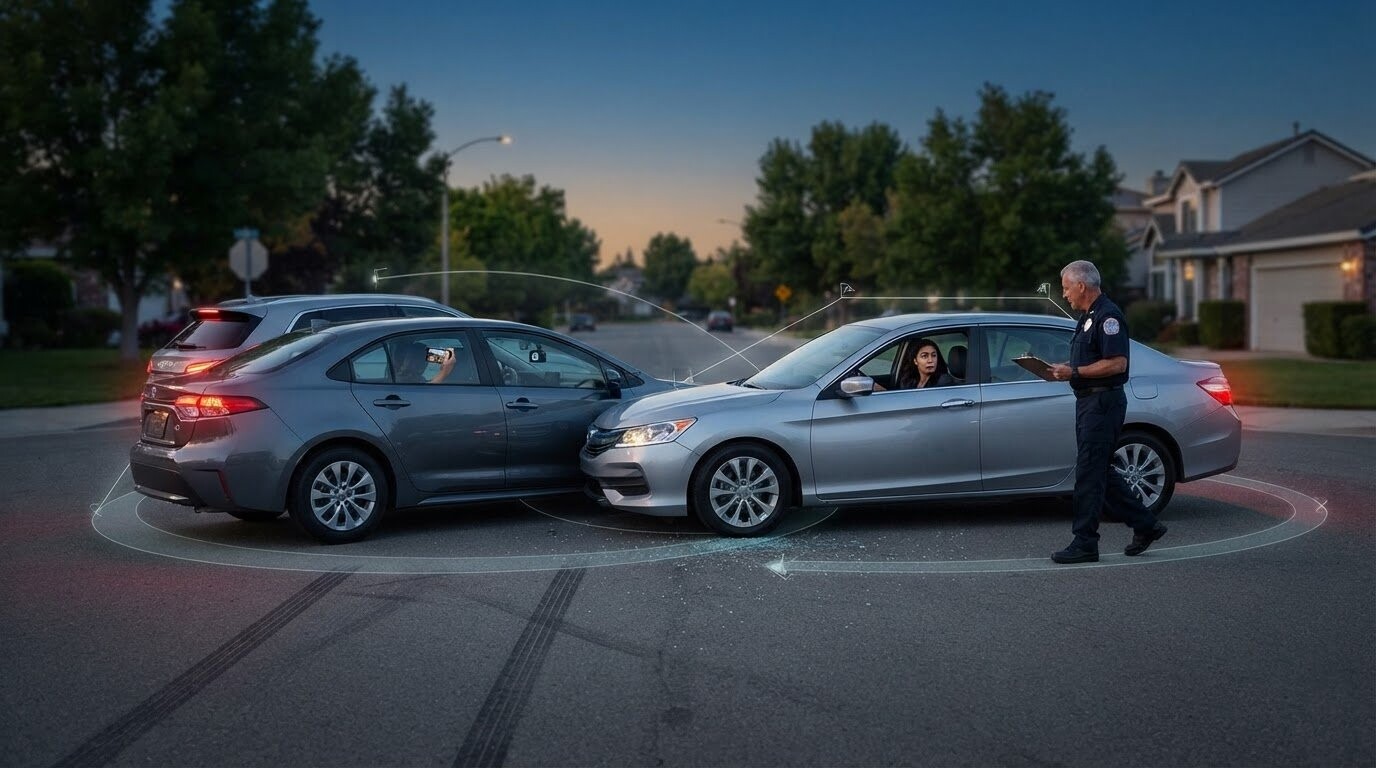
Proving a negative can be difficult. You’ll need to obtain official confirmation from the DMV or a detailed police report showing the at-fault driver was uninsured. This step is critical because your insurer won’t trigger your UM benefits until they have proof that no other policy exists. During this phase, be extremely cautious. The adjuster might ask for a recorded statement. It’s best to decline this request until you have spoken with a car accident lawyer mesquite. A recorded statement is often used to find inconsistencies in your story, which can later be used to deny your claim.
Step 2: Documenting Your Damages
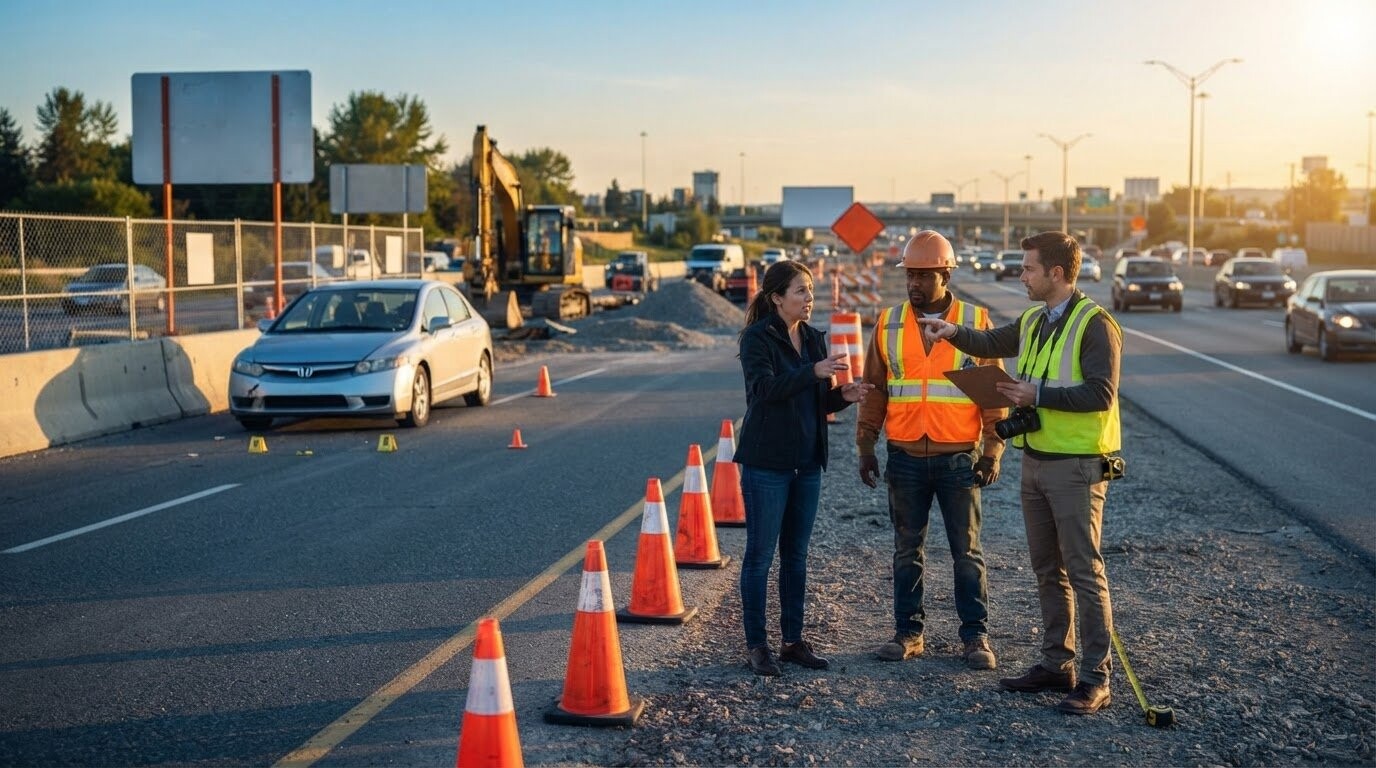
Your recovery depends on the quality of your paper trail. You must gather every medical record, pharmacy receipt, and lost wage statement from your employer. If your injuries have prevented you from enjoying your life or caused chronic pain, these intangible “pain and suffering” damages must also be documented through personal journals or expert testimony. Every dollar you request in your uninsured motorist claim process must be backed by a receipt, a bill, or a professional expert opinion. Without this concrete proof, the insurance company will simply ignore your request for fairness. We help you organize these documents to ensure your story is told with unwavering clarity.
Evidence and Documentation Needed for a Successful Claim
Winning a UM claim isn’t just about telling your story; it’s about what you can prove with cold, hard facts. Because your insurer has stepped into an adversarial role, they will scrutinize every piece of paper you submit. The uninsured motorist claim process relies on a rock-solid foundation of evidence to overcome their attempts to devalue your losses. You must act as the architect of your own recovery, gathering the materials needed to build an undeniable case for fairness and restoration.
The police report is your most valuable asset, particularly in hit-and-run cases where the at-fault driver is never found. It serves as the official record of fault and insurance status. Beyond the crash report, you need your own insurance Declarations Page. This document clearly outlines your specific UM/UIM limits, preventing the insurer from misrepresenting what you’ve actually paid for. Corroborating witness statements can also be the deciding factor when an adjuster tries to shift blame onto you. If you are feeling overwhelmed by the weight of this documentation, it is time to reach out for professional guidance to ensure no detail is overlooked.
The Role of Expert Testimony
Sometimes, your own records aren’t enough to show the full scope of your tragedy. In complex cases, we bring in medical experts to project the cost of your future care, ensuring your settlement doesn’t run out before your recovery is finished. Accident reconstructionists can use physics and debris patterns to prove liability when the other driver disappeared or is lying about the events. If your injuries have permanently altered your career path, financial experts calculate your long-term lost earning capacity to secure your family’s future security.
Navigating the Arbitration Process
Many people are surprised to learn that their uninsured motorist claim process might end in a conference room rather than a courtroom. Most auto policies include an arbitration clause, which means disputes are settled by a neutral third party or a panel instead of a jury. During arbitration, both sides present evidence and testimony in a setting that feels like a mini-trial. While this process is often faster than a traditional lawsuit, the awards are typically final and much harder to appeal. This finality makes it even more critical to have a formidable advocate who knows how to present a persuasive case to the arbitration panel.
Choosing a Steadfast Protector for Your Recovery
You have seen how the uninsured motorist claim process can turn your own insurance provider into a legal opponent. It is a heavy burden to carry while you are trying to heal from a traumatic event. You need more than just a legal representative; you need a steadfast protector who sees you as a neighbor rather than a case number. At Oberg Law Office, we believe that restoring your sense of security is just as important as the financial settlement itself. Our firm is built on the foundation of compassionate advocacy, ensuring you feel supported while we remain formidable against large institutions.
Attorney Gregg Oberg personally reviews every single strategy session to ensure your case receives the highest level of professional attention. You won’t be passed off to a junior clerk or support staff who doesn’t know your name. This leadership ensures that every client benefits from a personal investment in their result. We combine this personal touch with an unwavering determination in litigation. We want the insurance companies to know that we are prepared to fight for every dollar you are owed, and we won’t settle for lowball offers that jeopardize your future.
We also understand that mounting medical bills make the idea of hiring a lawyer feel out of reach. That is why we offer a contingency fee promise. You pay nothing unless we win your case. This structure ensures that justice and fairness are accessible to everyone in our community, regardless of their current financial situation. We share the risk with you because we believe in the strength of your recovery and the importance of holding negligent parties accountable.
The Benefit of 25+ Years of Experience
With over 25 years of experience, we have seen every tactic adjusters use to devalue claims. This deep industry knowledge allows us to anticipate the moves they make during the uninsured motorist claim process. Direct communication is a cornerstone of our partnership with you. When you have questions about your rights or your recovery, you will speak with your attorney. This level of dedication is especially vital for those seeking a catastrophic injury lawyer mesquite, where the long-term stakes for your family’s security are incredibly high.
Start Your Path to Restoration Today
Your journey toward restoration begins with a simple, low-pressure conversation. During your free initial strategy session, we will listen to your story and outline a clear, chronological path forward. We take the entire weight of the insurance claim off your shoulders so you can focus on your physical and emotional well-being. You have been through enough; let us handle the fight for fairness and the restoration of your peace of mind. Schedule your free consultation now and take the first step toward reclaiming your future.
Take Control of Your Path to Restoration
You don’t have to face the aftermath of a crash alone. Understanding your coverage and recognizing when your insurer has shifted from a provider to an adversary are the first steps toward reclaiming your peace of mind. By following a structured uninsured motorist claim process and gathering the right evidence, you protect your right to a fair settlement. You’ve worked hard to provide for your family; you shouldn’t have to pay for someone else’s negligence.
Our firm is here to act as your steadfast protector. With over 25 years of legal experience, we know how to navigate these complexities while treating you like the neighbor you are. You will have direct access to Attorney Gregg Oberg throughout your case, ensuring your strategy is guided by senior expertise. We believe in accessibility, which is why we offer a performance-based fee structure: you won’t pay us a dime unless we recover money for you. Secure your recovery with a free strategy session today. You deserve a future defined by fairness and security.
Frequently Asked Questions
Is it worth filing an uninsured motorist claim for a minor accident?
It’s often worth filing a claim even for minor accidents because seemingly small injuries can develop into chronic pain over time. Additionally, modern vehicle repairs are expensive. Even a minor fender bender can involve thousands of dollars in sensor and frame recalibrations. Filing a claim ensures you aren’t paying out of pocket for someone else’s mistake while protecting your long-term physical health.
Can my insurance rates go up if I file a UM claim when I was not at fault?
Whether your rates increase depends largely on your state’s specific insurance laws. In many jurisdictions, insurance companies are prohibited from raising premiums for claims where you were not at fault. You should review your policy or check with a professional to see how your local regulations protect you from unfair rate hikes after an accident with an uninsured driver. We can help you understand these local protections.
How much can I expect to receive from an uninsured motorist claim?
The amount you receive is primarily capped by the specific limits of your uninsured motorist claim process policy. For example, if your UM limit is $50,000, that is the maximum your insurer will pay regardless of your total damages. Your recovery should cover medical bills, lost wages, and pain and suffering up to that established limit. We work to ensure you receive every dollar available under your coverage.
What happens if the at-fault driver has insurance but their company denies the claim?
If an at-fault driver’s insurer denies coverage, that driver is often legally considered uninsured under your own policy terms. This allows you to trigger your UM benefits to seek compensation for your restoration. It’s a complex situation that requires proving the denial was valid before your own insurance company will step in. We handle the difficult task of proving this lack of coverage to your insurer.
How long do I have to file an uninsured motorist claim under the statute of limitations?
The timeframe for filing varies by state and whether you are suing the driver or filing a contract claim against your insurer. For instance, the statute of limitations for filing a lawsuit against a negligent driver in Florida is two years from the date of the accident. You must act quickly to preserve your right to fairness. Missing these deadlines can permanently bar you from seeking the compensation you need.
Can I sue the uninsured driver personally if my insurance does not cover all damages?
You can legally sue an uninsured driver personally, but doing so is often impractical. Most drivers who lack insurance also lack the significant assets needed to pay a court judgment. We generally focus on securing your recovery through your own UM policy because it offers a more reliable path to receiving funds. We’ll help you evaluate if the at-fault driver has any collectible assets before proceeding with a lawsuit.
What is the difference between arbitration and a lawsuit in a UM claim?
Arbitration is a private hearing before a neutral third party, while a lawsuit involves a public trial before a judge or jury. Many insurance policies mandate arbitration for UM disputes to keep costs down. While arbitration is typically faster than a court case, the decisions are often final and cannot be appealed. This finality makes it vital to have a strong advocate by your side during the hearing.
Do I need a lawyer for an uninsured motorist claim if it is my own insurance company?
You should consider a lawyer because your insurance company becomes your adversary during the uninsured motorist claim process. They will try to pay as little as possible to protect their corporate profits. Having a professional advocate ensures that your policy’s fine print is interpreted in your favor. We stand as a formidable barrier between you and an adjuster who wants to devalue your traumatic experience.