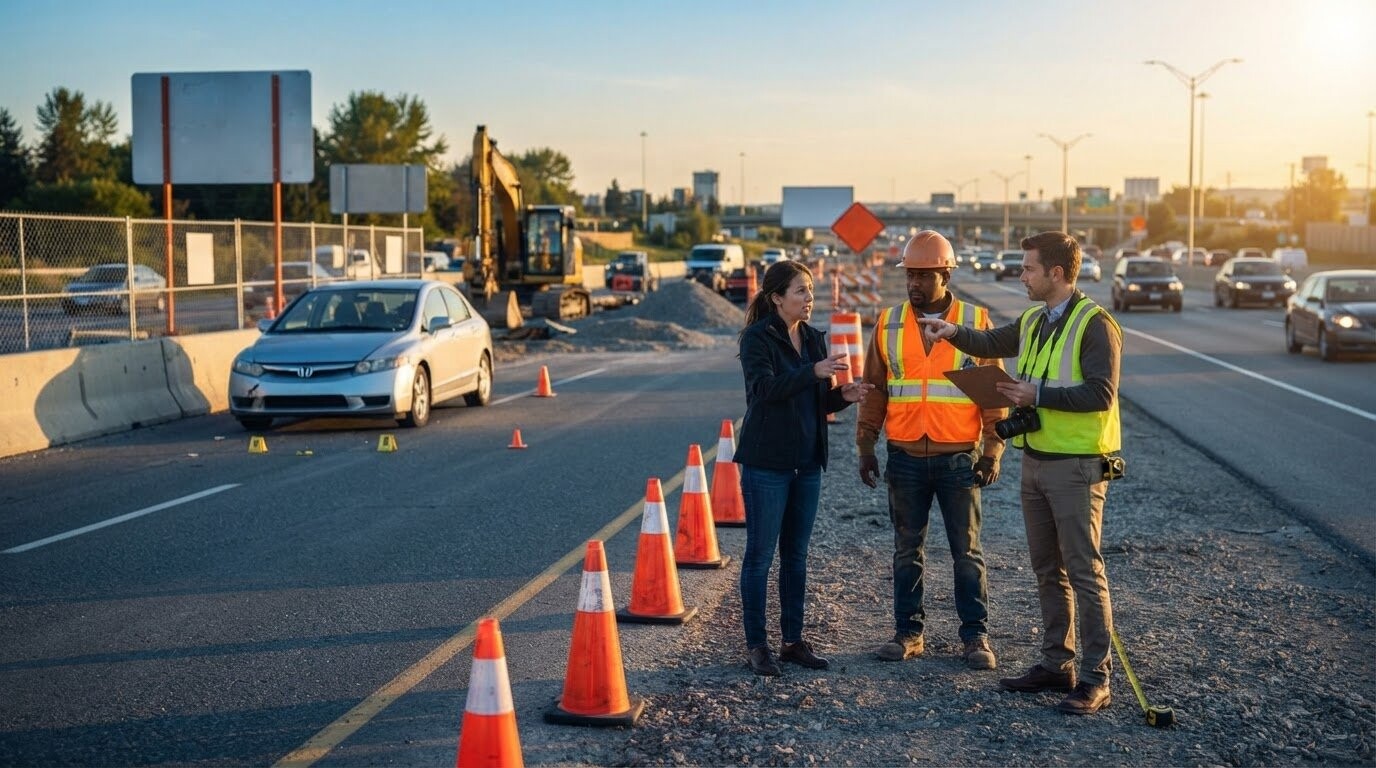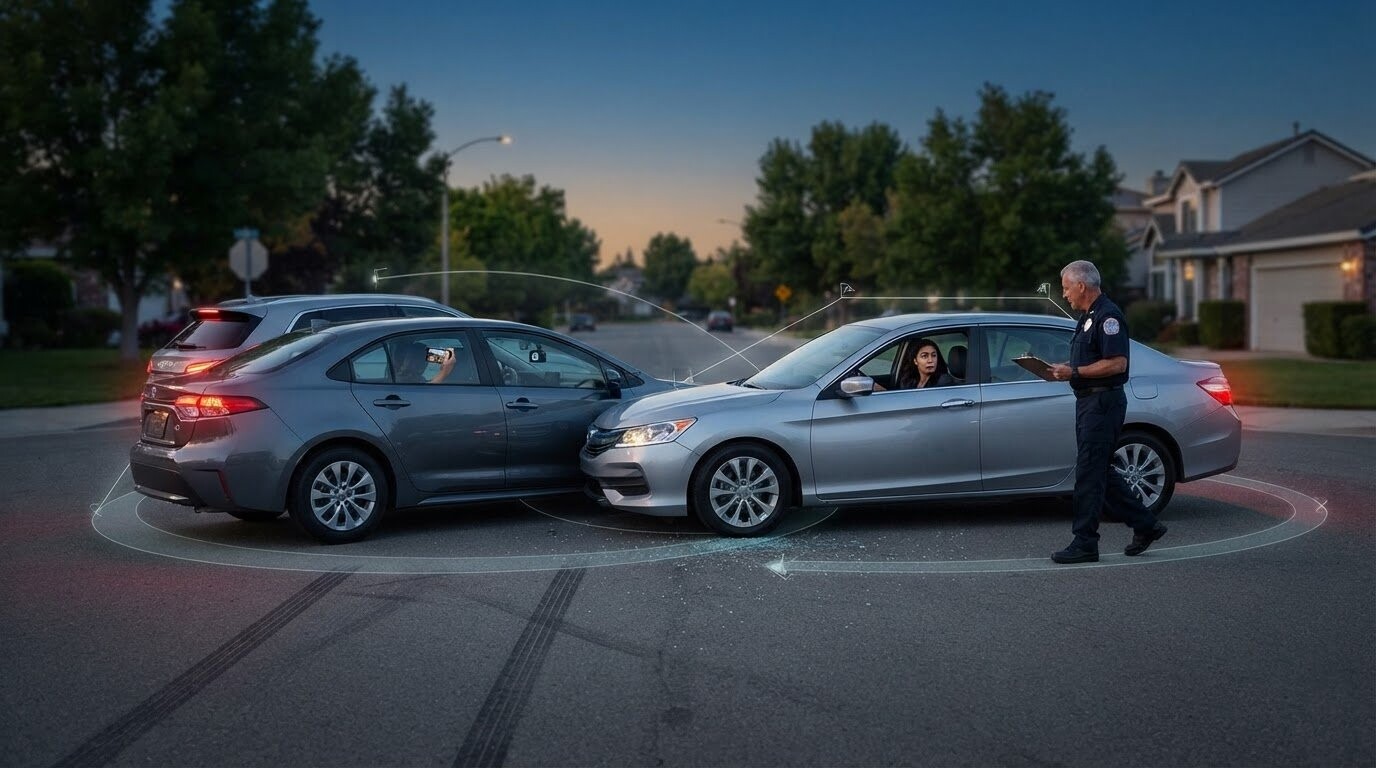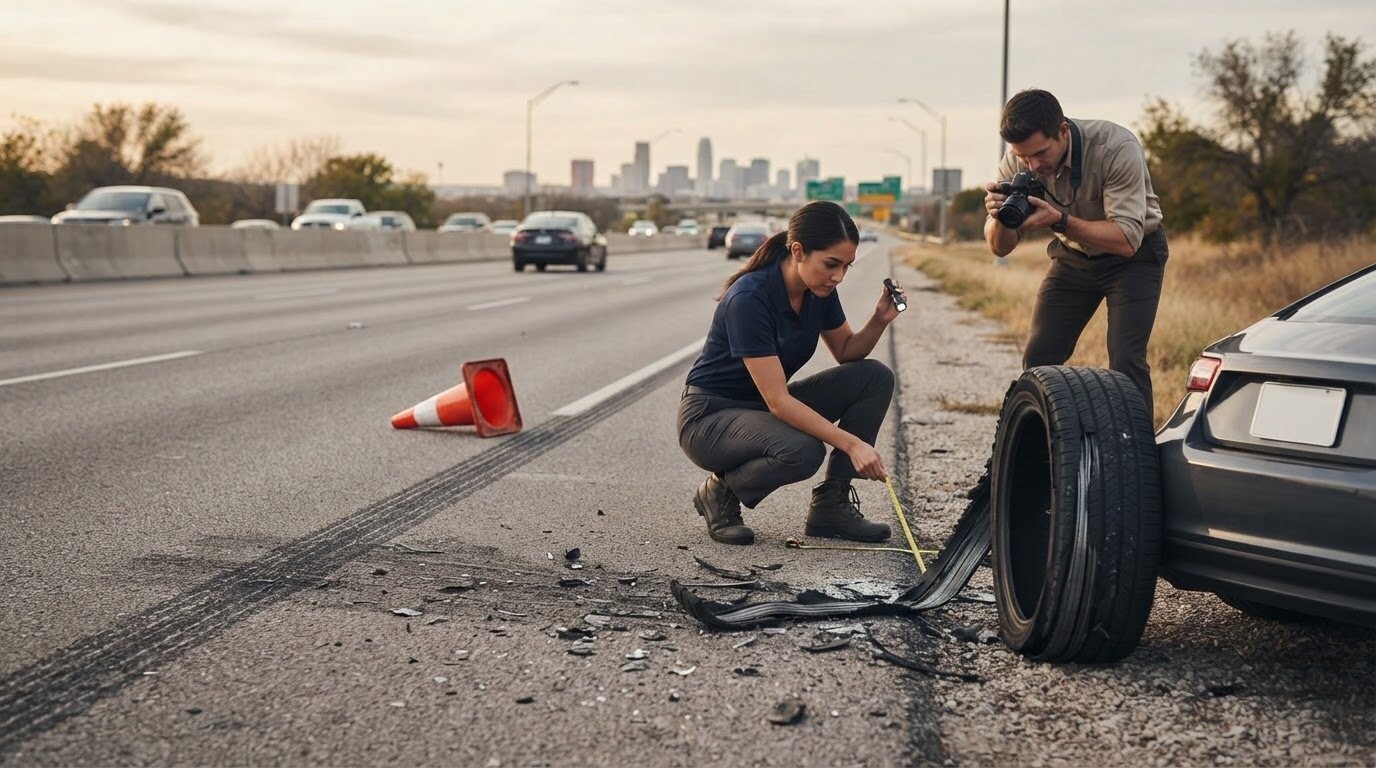
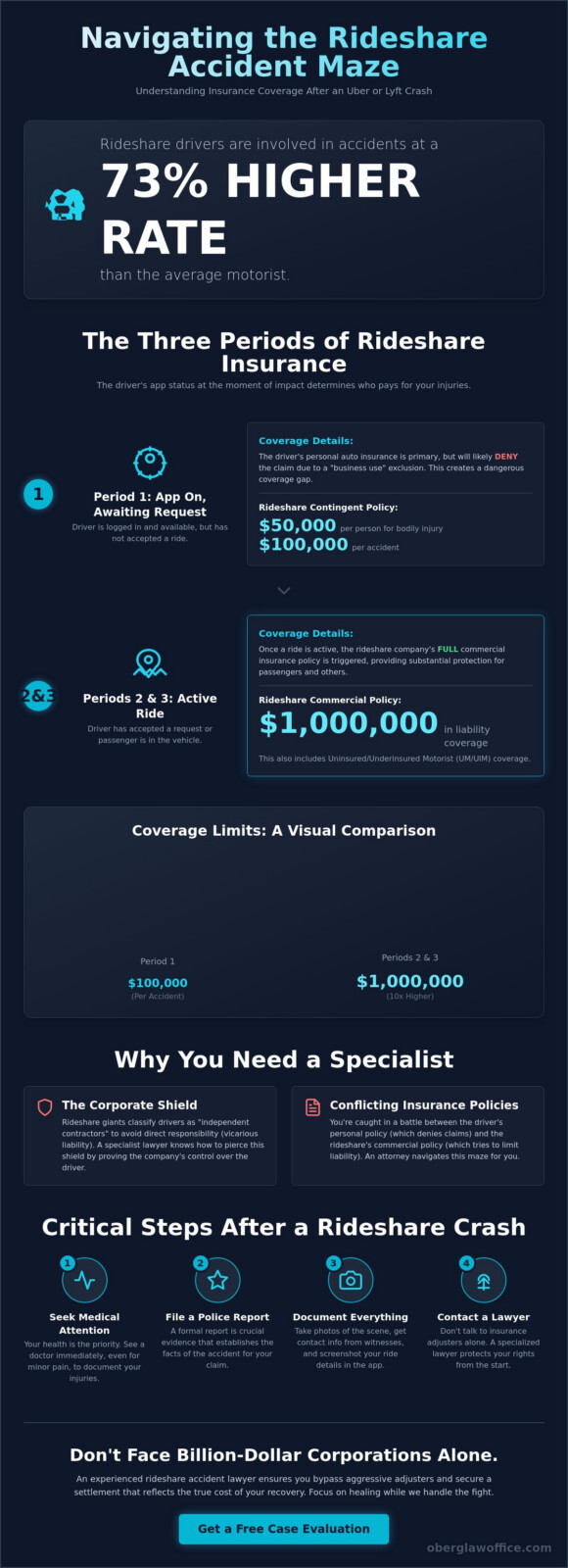
Did you know that rideshare drivers are involved in accidents at a rate 73% higher than the average motorist? When you’re sitting in the backseat of an Uber or Lyft, you assume you’re protected, but a crash often leads to a confusing maze of conflicting insurance policies and aggressive adjusters. If you’ve been injured, you’re likely facing a mountain of medical bills and the stress of lost wages while trying to figure out which company is actually responsible. Partnering with a dedicated rideshare accident lawyer ensures you don’t have to face these billion-dollar corporations alone.
We understand how exhausting it is to fight for your health while being treated like just another claim number. You deserve a legal partner who listens to your story and treats your recovery with the urgency it requires. In this article, we’ll clarify the confusing insurance “periods” that dictate your coverage and show you how recent 2026 legal shifts, like California’s SB371, impact your right to compensation. You’ll discover a personalized strategy to hold negligent parties accountable and restore the financial security your family needs.
Key Takeaways
- Learn how the specific status of the driver’s app at the moment of impact dictates which insurance policy covers your medical bills and property damage.
- Understand the legal distinction between independent contractors and common carriers to determine who is truly liable for your injuries.
- Discover the critical steps you must take immediately following a crash to protect your rights and ensure a formal police report is filed for your claim.
- See why partnering with a specialized rideshare accident lawyer helps you bypass aggressive insurance adjusters and secure a settlement that reflects the true cost of your recovery.
- Stay informed on how 2026 regulatory changes are shifting the landscape of passenger protection and insurance limits in your local community.
What Makes a Rideshare Accident Claim Unique?
A rideshare accident claim is a specific type of personal injury case involving a vehicle operating for a Ridesharing company. You might think it’s just like any other car crash, but the legal layers are much thicker. When you’re hurt in an Uber or Lyft, you aren’t just dealing with another driver; you’re entering a complex dispute with a multi-billion dollar tech platform. Traditional personal auto insurance policies almost always include a “business use” exclusion. This means if the driver was logged into the app, their private insurance will likely deny your claim immediately. You’re left in a vulnerable position, facing physical pain and financial uncertainty while a tech giant tries to distance itself from the incident.
The emotional weight of this situation is heavy. You expected a safe ride home, but instead, you’re struggling with injuries while receiving cold, automated responses from a corporation. This isn’t just about a damaged car. It’s about your health, your ability to provide for your family, and your right to be treated with dignity. A dedicated rideshare accident lawyer acts as your shield, handling the aggressive adjusters so you can focus entirely on your physical recovery.
The Corporate Shield: Why Uber and Lyft are Different
Rideshare companies fight hard to avoid “vicarious liability,” which is the legal principle that holds employers responsible for their employees’ actions. By classifying drivers as independent contractors rather than employees, these companies create a legal barrier between your injuries and their corporate assets. They provide high-limit commercial policies, but these only “activate” during specific moments, such as when a passenger is in the car or a ride is accepted. A skilled rideshare accident lawyer knows how to pierce this shield. We understand how to track digital footprints from the app to prove exactly which insurance layer should be paying for your recovery.
The Financial Stakes of a Rideshare Injury
The costs of a serious crash go far beyond the initial emergency room visit. You have to consider long-term rehabilitation, specialized medical equipment, and the reality of lost earning capacity if you can’t return to work. These are tangible financial burdens that can derail your family’s future. Beyond the bills, there is the heavy toll of pain and suffering. Securing a settlement that truly restores your life requires a personalized legal strategy. We focus on the person, not just the paperwork, ensuring that every non-economic damage is accounted for so you can focus on healing and restoration.
The Three Periods of Rideshare Insurance Coverage
Understanding who pays for your injuries starts with a single question: what was the driver doing on their app at the moment of the crash? The legal system divides rideshare activity into three distinct periods. Each phase carries different insurance limits and responsibilities, creating a tiered system that often leaves victims confused. If you’re struggling to get a straight answer from an insurance adjuster, a rideshare accident lawyer can help you cut through the noise. This tiered structure is the primary reason why these claims are more complex than a standard fender-bender.
Period 1: The App is On, but No Request is Active
Period 1 occurs when the driver is logged into the app and ready to work, but hasn’t yet accepted a trip request. This is often called “deadheading” or cruising. During this time, the driver’s personal insurance is technically the primary coverage. However, most personal policies won’t cover commercial activity, leading to immediate denials. Uber and Lyft provide a smaller “contingent” liability policy here, typically including $50,000 for bodily injury per person and $100,000 per accident. This “gap” in coverage is a frequent point of contention. As highlighted in the analysis of Big Liabilities For Uber, Sidecar And Lyft?, these gaps often leave both drivers and victims in a legal gray area where neither the personal nor the corporate insurer wants to take responsibility.
Periods 2 and 3: Active Requests and Trips
Once a driver accepts a request (Period 2) or has a passenger in the vehicle (Period 3), the coverage limits jump significantly. In most states, the Transportation Network Company (TNC) provides a $1 million third-party liability policy. This coverage protects passengers, other drivers, and pedestrians if the rideshare driver is at fault. It’s also vital to understand the role of Uninsured/Underinsured Motorist (UM/UIM) protections during these periods. These policies protect you if another driver hits your Uber but doesn’t have enough insurance to cover your bills. Your rideshare accident lawyer can verify app records to prove exactly when the trip started, ensuring the highest possible policy limits are available for your recovery.
Recent 2026 legislative changes have made these periods even more critical to track. For instance, California’s SB371, which went into effect on January 1, 2026, reduced the required UM/UIM coverage for passengers from $1 million to $300,000 per incident. This reduction means there is less money available for injured passengers than in previous years. Having a legal partner who stays current on these shifting state regulations ensures you don’t settle for less than what the law currently allows.
Who is Liable for Your Rideshare Injuries?
Assigning blame after a crash isn’t always straightforward. In a standard car accident, you usually look at the other driver. In a rideshare scenario, liability can spread across the driver, the tech platform, or even a third-party motorist who wasn’t part of the ride at all. Determining who is responsible is the first step your rideshare accident lawyer takes to build a foundation for your recovery. Because these cases involve multiple parties, the finger-pointing starts almost immediately, making it vital to have a clear investigation into the facts.
You also have to consider the role of third-party drivers. According to 2025 data from Insurify, 95% of fatal crashes involving an Uber vehicle were actually caused by a third-party driver, not the rideshare operator. This means your claim might actually be against a completely separate motorist who happened to strike your Uber or Lyft. If you were a passenger, you are almost never at fault, yet you’re the one left dealing with the physical and financial fallout. Whether the blame lies with your driver or someone else on the road, our goal is to ensure you aren’t the one left holding the bill for someone else’s mistake.
Driver Negligence and Distracted Driving
Distracted driving is a primary threat on our roads today, accounting for 32% of rideshare incidents according to recent safety reports. Drivers are often forced to interact with their phones to accept new fares, check GPS routes, or communicate with passengers. This constant digital tether creates a dangerous environment where a split-second glance at a screen leads to a life-altering collision. Beyond the app, the pressure to maximize hourly earnings can lead to fatigue or speeding, especially during peak hours in congested urban intersections where over 40% of these accidents occur.
When the Rideshare Company is at Fault
Liability sometimes reaches beyond the person behind the wheel. We look closely at corporate negligence, such as whether a company failed to perform a rigorous background check or allowed a driver with a history of traffic violations to stay on the platform. State regulators have long been concerned about ridesharing insurance coverage gaps and safety standards that don’t always protect the public. While companies use the “independent contractor” label to distance themselves, a dedicated rideshare accident lawyer can investigate if technical app glitches or predatory routing algorithms contributed to the driver’s confusion. We believe that if a multi-billion dollar company profits from these trips, they should be held to a high standard of safety for the neighbors they serve.
Critical Steps to Take After an Uber or Lyft Crash
The moments following a crash are often a blur of adrenaline and confusion. Your priority must always be safety. If it’s possible, move your vehicle to a secure location away from traffic and call emergency services immediately. Even if the damage seems minor, a formal police report is a vital piece of evidence. This document provides an unbiased account of the scene, which is essential when a rideshare accident lawyer begins the process of negotiating with billion-dollar insurance companies. Without that official record, your claim becomes a “he-said, she-said” battle that insurance adjusters are eager to exploit.
While waiting for help to arrive, document everything you see. Capture photos of vehicle damage from multiple angles, the position of the cars on the road, and any relevant traffic signage or road conditions. These images tell a story that words alone cannot. Seeking medical attention right away is equally critical. You might feel “fine” due to the shock, but internal injuries or soft tissue damage often take hours or days to manifest. Delaying a doctor’s visit gives insurance adjusters an opening to argue that your injuries weren’t caused by the crash.
Preserving Digital Evidence within the App
In a rideshare case, the most important evidence is often sitting on your phone. Take immediate screenshots of your ride receipt, the driver’s profile, and the mapped route shown in the app. While Uber and Lyft have “Report an Accident” features, don’t assume the company will preserve this data for your benefit. Screenshots provide a permanent record that cannot be altered or deleted later. Be extremely cautious if an insurance adjuster calls for a recorded statement. They are trained to lead you into saying things that could undermine your case. If you’re feeling pressured, reach out to a rideshare accident lawyer who can handle these high-stakes conversations on your behalf.
The Role of Professional Medical Documentation
Your medical records are the blueprint for your financial recovery. Consistent documentation proves the direct link between the collision and your physical condition. If you skip appointments or ignore a treatment plan, the opposing side will claim your injuries aren’t serious. We want to see you restored to the life you had before the accident. Following your doctor’s orders isn’t just about health; it’s about building a solid legal foundation that aggressive adjusters cannot ignore. Every record, from the initial ER visit to physical therapy notes, serves as a brick in the wall of your defense.
Choosing a Rideshare Accident Attorney Who Prioritizes You
Dealing with the aftermath of a crash is exhausting. You’re likely balancing physical therapy appointments with the constant pressure of incoming bills, all while trying to decipher the complex insurance layers we discussed earlier. You shouldn’t have to be a legal expert to get the help you need. A dedicated rideshare accident lawyer takes that weight off your shoulders, serving as a steadfast protector against the aggressive tactics of billion-dollar corporations. Unlike large firms where you might feel like just another file number, we focus on restoration and fairness through a collaborative partnership.
The legal system can feel cold and detached, but your recovery is deeply personal. When you work with a firm that prioritizes your individual needs, you gain more than just legal advice; you gain a knowledgeable guide. We understand that a successful outcome isn’t just about a settlement check. It’s about ensuring you have the resources to heal and the peace of mind to move forward with your life. By handling the TNC insurance maze on your behalf, we allow you to focus on your health while we focus on the technical legal battle.
The Advantage of a Personalized Legal Strategy
Many high-volume legal practices rely on case managers to handle the bulk of their client communication. This often means you rarely speak to the person actually litigating your case. We believe your story deserves better than a “one-size-fits-all” approach. Gregg Oberg brings over 25 years of experience to every case, providing a formidable edge during negotiations with stubborn insurance adjusters. By focusing on the unique details of your life and your specific recovery needs, we build a strategy that reflects the true impact of the accident. You aren’t a transaction; you’re a neighbor who deserves to be heard and supported.
What to Expect During Your Strategy Session
We want you to move from a state of uncertainty to a feeling of empowerment. During a strategy session, we provide a transparent evaluation of your case’s strengths and the specific hurdles we might face. You’ll get clear, direct answers about medical bills, insurance communication, and the expected timeline for your claim. This is a low-pressure environment designed to give you a roadmap for your physical and financial security. We also operate on a performance-based fee structure. This ensures that justice is accessible to everyone in our community, regardless of their current financial situation. We share the risk with you because we’re personally invested in securing the results you need. Choosing the right rideshare accident lawyer means finding someone who combines professional authority with genuine compassion to handle your Rideshare Accident Representation effectively.
Secure Your Path to Restoration and Justice
The road to recovery after an Uber or Lyft crash is often cluttered with corporate red tape and shifting legal requirements. You’ve seen how insurance “periods” and new 2026 regulations can complicate your claim, but you don’t have to navigate this maze alone. Protecting your rights starts with immediate action and a strategy tailored to your specific injuries. A skilled rideshare accident lawyer acts as your advocate, ensuring that billion-dollar tech companies are held accountable for the harm they’ve caused.
We’re here to offer the professional authority and neighborly support you need during this difficult time. With over 25 years of legal experience, senior attorney Gregg Oberg provides the direct, personal attention your case deserves. We operate on a contingency-based fee structure; you don’t pay unless we win. This shared risk reflects our commitment to your restoration and financial security. Schedule Your Free Rideshare Accident Strategy Session with Gregg Oberg today to get the clarity you deserve. You’ve faced enough stress. Let us handle the legal burden so you can focus on healing and moving forward with confidence.
Frequently Asked Questions
Is a rideshare driver considered an employee of Uber or Lyft?
Currently, Uber and Lyft classify their drivers as independent contractors rather than employees to limit their corporate liability. This status is a major legal hurdle for many victims. A ballot initiative for the November 3, 2026, election in California seeks to reclassify these companies as common carriers. If this passes, it would hold them to a higher standard of care. This change would make them more directly responsible for injuries caused by their drivers.
What happens if I was a passenger in an Uber that got into an accident?
If you were a passenger, you are typically covered by the company’s $1 million liability policy while on an active trip. However, if the crash was caused by an uninsured driver, your recovery options may have changed. As of January 1, 2026, California’s SB371 reduced the required uninsured motorist coverage for passengers to $300,000 per incident. This makes it vital to have a professional review your case to ensure you are accessing every available dollar for your medical bills.
Can I still seek compensation if the rideshare driver was offline during the crash?
If the driver was completely logged out of the app, the incident is treated as a standard car accident involving a private citizen. In this case, you would seek compensation through the driver’s personal auto insurance policy. The rideshare company’s commercial coverage does not apply when the app is off. We can help you identify the correct insurance carrier and ensure they treat your claim with the seriousness it deserves and provide the restoration you need.
How much does it cost to hire a rideshare accident lawyer?
We operate on a performance-based fee structure, which means you don’t pay any legal fees unless we successfully recover compensation for you. This approach ensures that every neighbor has access to a dedicated rideshare accident lawyer regardless of their current financial situation. We believe in sharing the risk with our clients. This allows you to focus on your recovery while we handle the complex litigation process and fight for a fair settlement.
Will Uber or Lyft deactivate my account if I file an injury claim?
Filing a legitimate insurance claim for injuries you sustained should not result in the deactivation of your account. These companies have internal policies against retaliation, and consumer protection laws are in place to safeguard your rights as a passenger. If you feel you are being unfairly targeted for seeking restoration, we can help you address these concerns. Your focus should remain on healing, not worrying about your future access to transportation.
How long do I have to file a lawsuit after a rideshare accident?
In states like California and Florida, you generally have two years from the date of the accident to file a personal injury lawsuit. Florida recently reduced this timeline from four years to two years for incidents occurring on or after March 24, 2023. Missing this deadline usually means you lose your right to seek compensation forever. It’s vital to consult with a professional as soon as possible to ensure all evidence is preserved and deadlines are met.
What if the rideshare driver was at fault but doesn’t have enough insurance?
If the at-fault driver’s insurance is insufficient, the rideshare company’s underinsured motorist coverage typically steps in to fill the gap. This coverage is designed to protect you when the responsible party cannot cover the full extent of your medical bills and lost wages. Be aware that state laws are shifting. For example, California’s SB371 recently lowered these limits for passengers to $300,000 per incident. We work to identify every possible source of recovery for you.
Can I sue the rideshare company directly for my injuries?
Suing a transportation network company directly is challenging because they classify drivers as independent contractors to shield themselves from liability. However, you may have a case for corporate negligence if the company failed to perform adequate background checks or ignored safety violations. A seasoned rideshare accident lawyer can investigate these factors to determine if the company’s own actions contributed to your injuries, especially with new 2026 regulations pushing for much higher standards of care.