Whether Uber or Lyft’s insurance covers your injuries depends on something you probably could not see from the back seat: what the driver’s app was doing at the moment of the crash.
In this six-minute video, Gregg Oberg explains the three tiers. If the driver was off duty, only their personal policy applies. If they were logged in and waiting for a ride, a limited company policy may apply. If they were actively picking up or carrying a passenger, the full commercial policy — usually up to $1 million — comes into play.
That distinction is why rideshare claims so often stall. Uber and Lyft treat their drivers as independent contractors rather than employees, and with several insurers involved, each has an incentive to point at the others.
He also covers why these crashes happen more than they should — drivers juggling apps mid-journey, no formal training requirement, no federal limits on hours worked — and the steps that protect a claim in the hours afterwards.
The full transcript is below if you would rather read than watch.
Full transcript (lightly edited for readability)
Were you injured in a rideshare accident? Don’t assume Uber or Lyft will take care of it. I’ll explain what really happens after a rideshare crash, who may be responsible, and what steps you can take to protect your rights and your recovery.
Hi, I’m attorney Gregg Oberg. For over 30 years, my firm and I have been fighting for injured Texans, working to get every client the maximum compensation they deserve. If you or a loved one have been hurt in an accident, let’s talk. Give me a call at 972-682-9700 for a free consultation.
Why a rideshare isn’t a favor from a friend
Rideshare apps like Uber and Lyft connect people with nearby drivers using their personal vehicles. While this setup feels casual, it’s still a business transaction, and that matters if an accident happens. Unlike traditional taxi companies, rideshare companies treat drivers as independent contractors, not employees. That distinction can influence what kind of insurance applies and who may be held liable when someone gets hurt. So while the ride may feel like a favor from a friend, legally it’s much more complex.
Why rideshare crashes happen
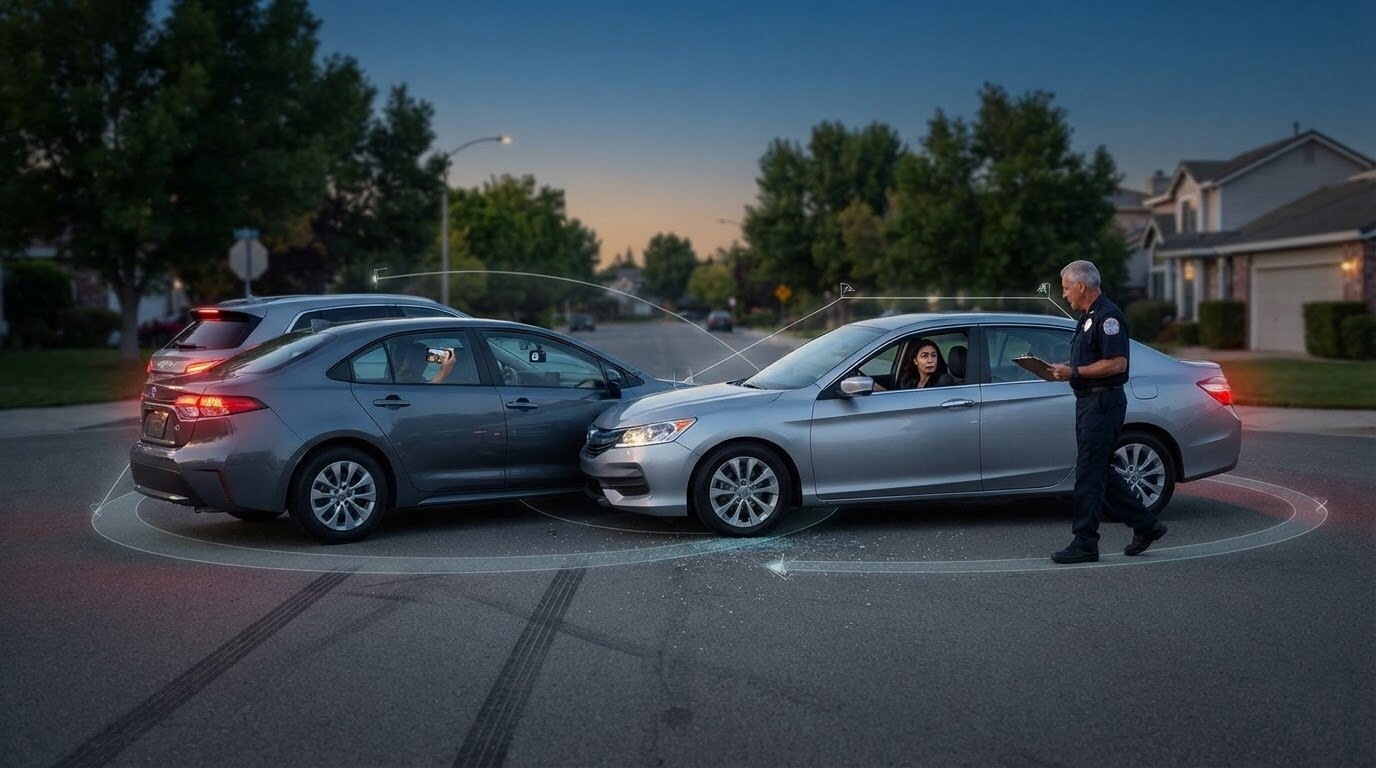
Crashes involving rideshare vehicles can happen for many of the same reasons as any other collision, but the pressures of the job can increase the risks. Some of the most common causes are:
Distracted driving. Many rideshare drivers rely heavily on their phones for navigation, updates, and managing multiple apps at once. All that screen time increases the chance of missing something on the road.
Speeding. To complete more rides and make more money, some drivers might speed or rush through traffic. The faster they drive, the more dangerous the ride becomes, especially in congested areas.
Inexperience or lack of training. Rideshare drivers don’t go through formal training or defensive driving courses. That means some may not be prepared to handle tough road conditions or emergency situations.
Driver fatigue. Some drivers push through long hours just to make ends meet. Unlike commercial truck drivers, they aren’t held to federal limits on hours worked. That lack of regulation can lead to dangerous fatigue behind the wheel.
Substance abuse. Although rideshare companies conduct background checks, there’s no foolproof system. Some accidents happen because a driver was under the influence of alcohol or drugs, putting everyone at risk.
When any of these factors are involved, it’s important to know how to pinpoint what went wrong and who’s responsible.
Who is liable
Liability in rideshare accidents isn’t always clear-cut. It depends heavily on the driver’s status at the time of the crash and who else may have been involved.
First, the rideshare driver’s status. Rideshare companies provide different levels of insurance based upon what the driver was doing when the accident happened. If the driver was off duty, only their personal insurance applies. If they were logged into the app and waiting for a ride, a limited company policy may apply. But if they were actively picking up or transporting a rider, the full commercial policy, usually up to $1 million in coverage, kicks in.
Next, rideshare company liability. Because drivers are considered independent contractors, companies like Uber and Lyft often try to dodge responsibility, but that doesn’t mean they’re off the hook. If their app was in use or the ride was accepted, they may be partially liable through their insurance coverage.
And there’s also the liability of other drivers. Sometimes the rideshare driver isn’t at fault. Maybe the other vehicle ran a red light or swerved into your lane. In those cases, the at-fault driver’s insurance would typically be responsible for covering damages.
But don’t assume this process will be straightforward. Rideshare cases often involve multiple insurers pointing fingers at each other, which is why it’s critical to build a solid case from the beginning.
What to do after a rideshare crash
What steps should you take after a rideshare accident? Knowing what to do in the moments after a crash can make or break your claim. These steps help protect both your health and your case.
Check for injuries and seek medical attention. Your health comes first. Even if you feel okay, adrenaline can hide symptoms. Get checked out as soon as possible to catch hidden injuries and create medical records that document what happened.
Report the accident to authorities. Always call the police and make sure a report is filed. This creates an official record and can help prove fault down the road. But after the accident, insurance reps may call and ask you to give a statement. Be careful. These calls are often recorded and anything you say could be used to downplay your injuries or deny your claim.
Report the accident to the ridesharing company as well. Use the app to report the incident as soon as possible. The company will log it and may begin their own internal review.
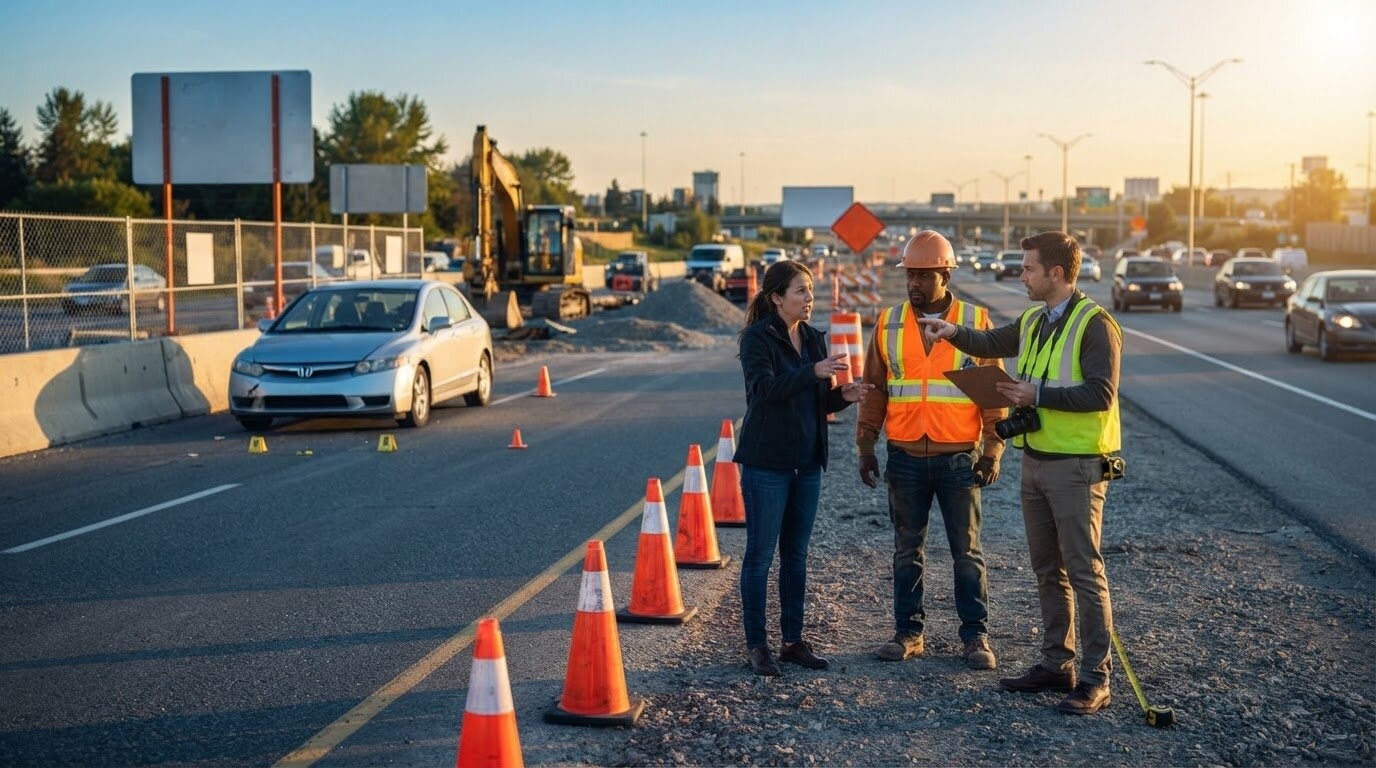
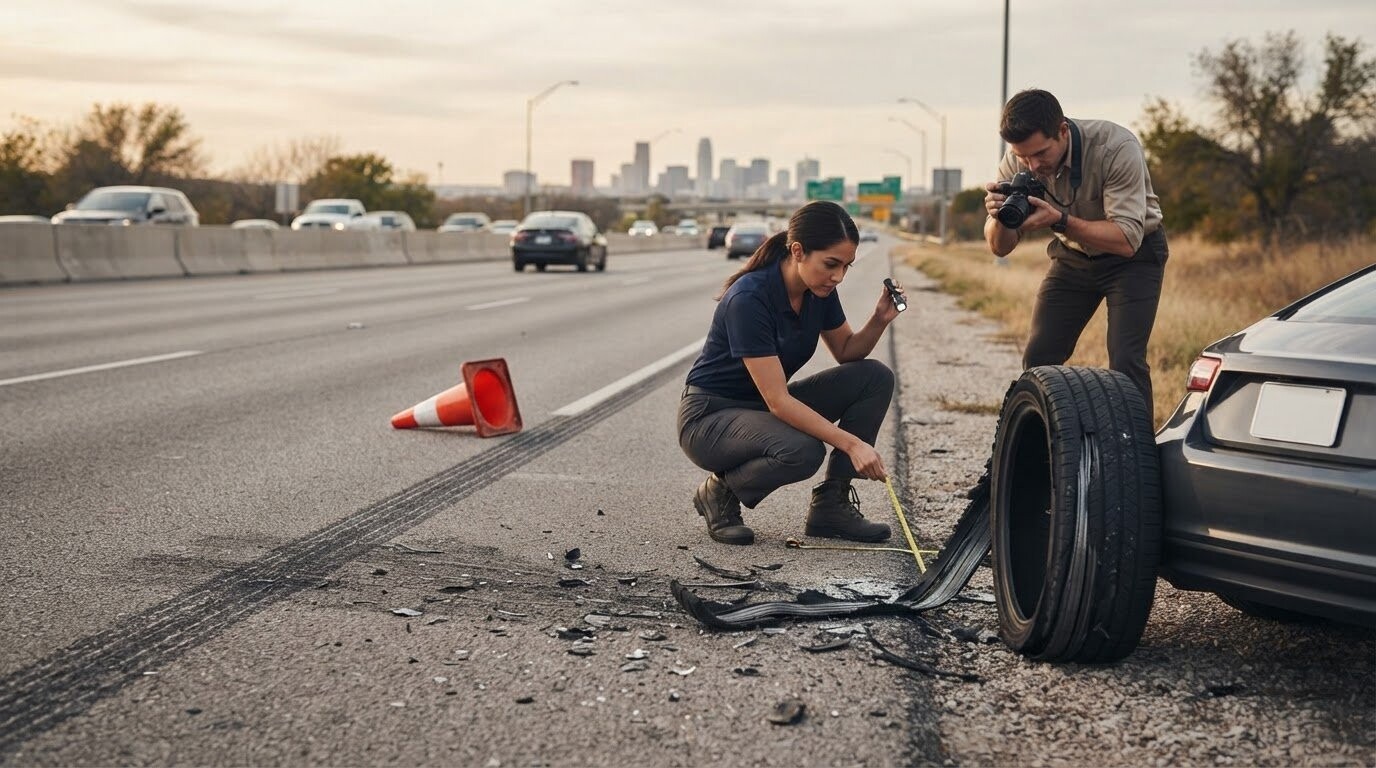
Document the accident scene. Use your phone to take pictures or video of the vehicles, damage, injuries, and the surrounding area. Capture anything that might show the road conditions or traffic signals.
Gather contact information. Get the names, phone numbers, license plate numbers, and insurance details for all the drivers involved, including the rideshare driver. Don’t forget to ask for the contact info of any witnesses.
Keep all records of your expenses and communications. Save everything: the doctor visits, prescriptions, receipts, repair bills, and emails. This paper trail helps prove your losses and supports your claim for full compensation.
And most importantly, contact a rideshare accident attorney. Don’t go it alone. An experienced attorney can deal with rideshare company insurers and the parties to protect your rights and make sure you aren’t left footing the bill for someone else’s mistake.
What you can recover
What compensation can you recover in a rideshare accident? If you’re injured in a rideshare accident, your potential compensation could cover a wide range of damages. This may include medical bills from both current and future care, lost wages, reduced earning capacity, pain and suffering, emotional distress, property damage, and even the loss of enjoyment of life. Every case is different, but the key is making sure nothing gets overlooked. When multiple policies are involved, it’s easy for critical details to slip through the cracks unless you know exactly what to look for.
At the end of the day, rideshare accidents aren’t as straightforward as they seem. Whether you’re a passenger, a driver, or hit by a rideshare vehicle, these cases often involve multiple insurance companies, complex liability issues, and companies that don’t always play fair. That’s why it’s so important to understand your rights, act quickly, and get the right legal guidance from the start.
If you’ve been in a car accident and you’re feeling overwhelmed or unsure about what to do next, you don’t have to figure it out alone. At Oberg Law Office, we’ve been helping injured Texans for over 30 years, and we’re here to help you, too. If you or someone you care about was hurt in a crash, call us at 972-682-9700. We’ll talk about what happened and what your options may be.
Related reading
- Passenger Rights in an Uber or Lyft Accident: A 2026 Guide to Your Legal Recovery — what coverage applies when you were the passenger.
- Rideshare Accident Lawyer: Navigating Uber and Lyft Injury Claims in 2026 — the wider guide to Uber and Lyft injury claims.
- What to Do If Your Uber Crashes: Your 2026 Guide to Safety and Legal Recovery — a practical checklist for the hours after the crash.